




Guides·Formulas·Examples
Learn tradingstep by step
56 plain-English guides on the mechanics that cost traders money: funding, liquidation, fees, slippage and position size. Each one shows the math so you can check it on your own exchange.
Margin
Risk
Market
Security
Latest guides
 New guideWallets and security
Seed phrase: how it works, how to store it, and the maths behind 12 words
A seed phrase is the portable backup for a self-custody wallet. This guide explains the BIP39 structure, the checksum, safe storage, recovery limits and the mistakes that expose the words.
Read the guide →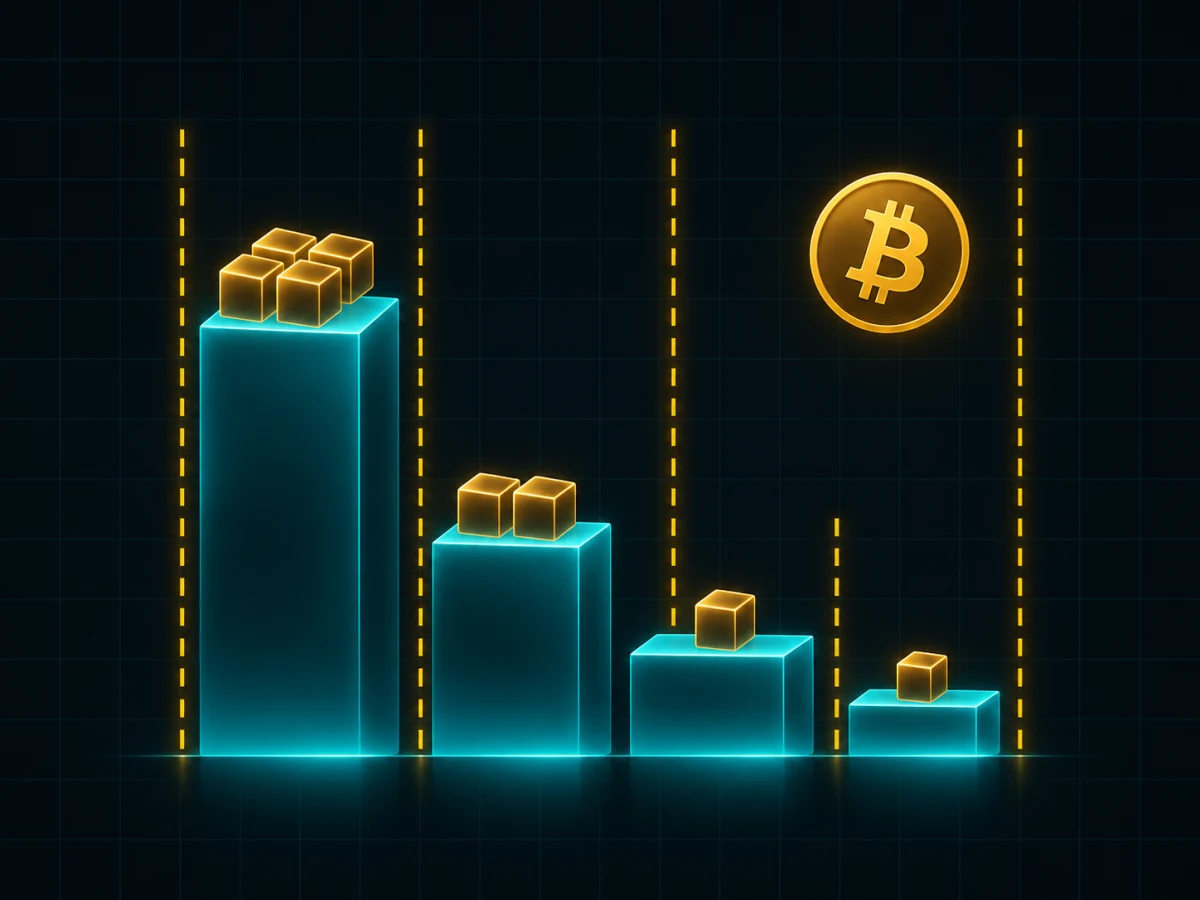 Reading the market
Bitcoin halving: the code rule, the subsidy math and the price myth
Bitcoin halving is a block-count rule in the protocol. The subsidy calculation is deterministic; demand, miner economics and market price are not.
 Reading the market
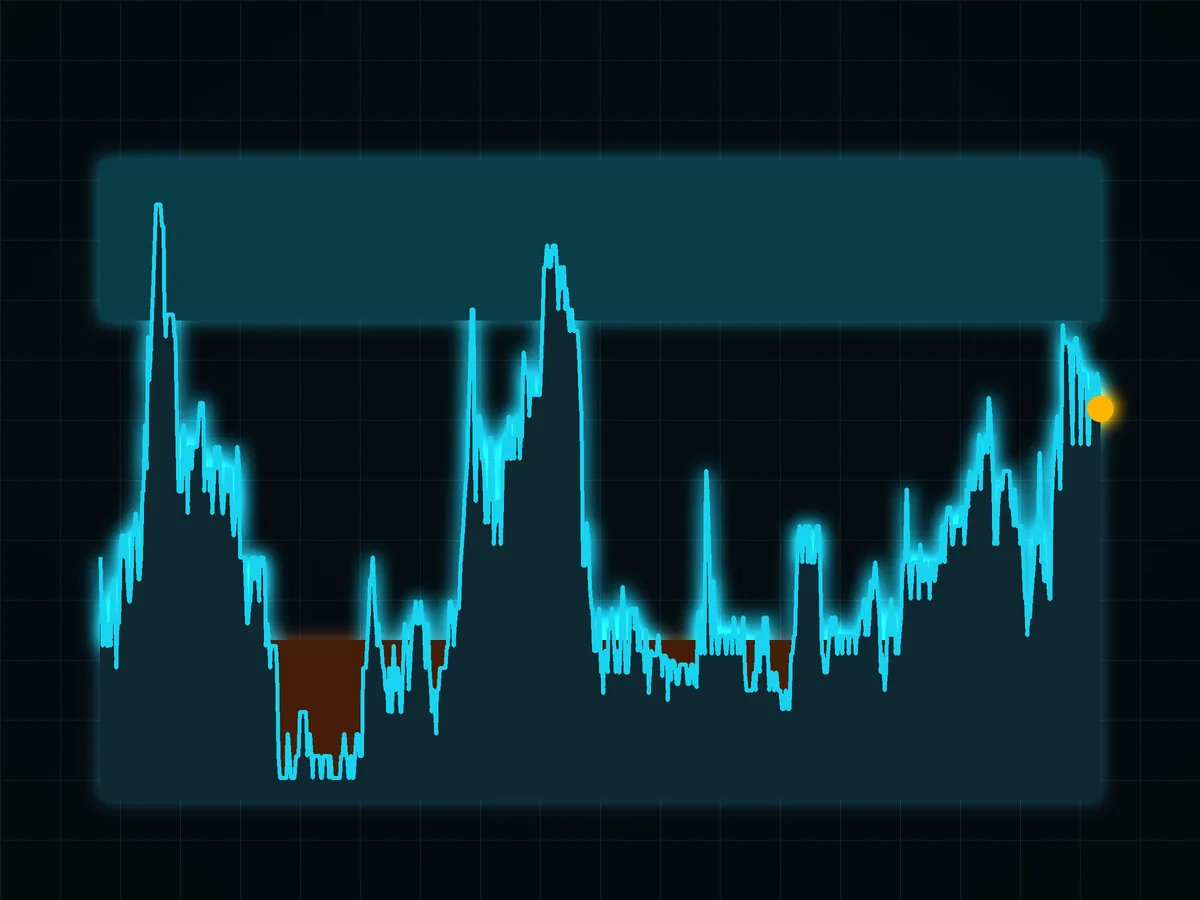
Altcoin season index: how the calculation works and what it hides
An altcoin season index counts how many selected coins beat Bitcoin over a chosen window. The number is simple; the coin list, exclusions and price source are not.
Futures and margin
Funding, liquidation, fees and order mechanics · 21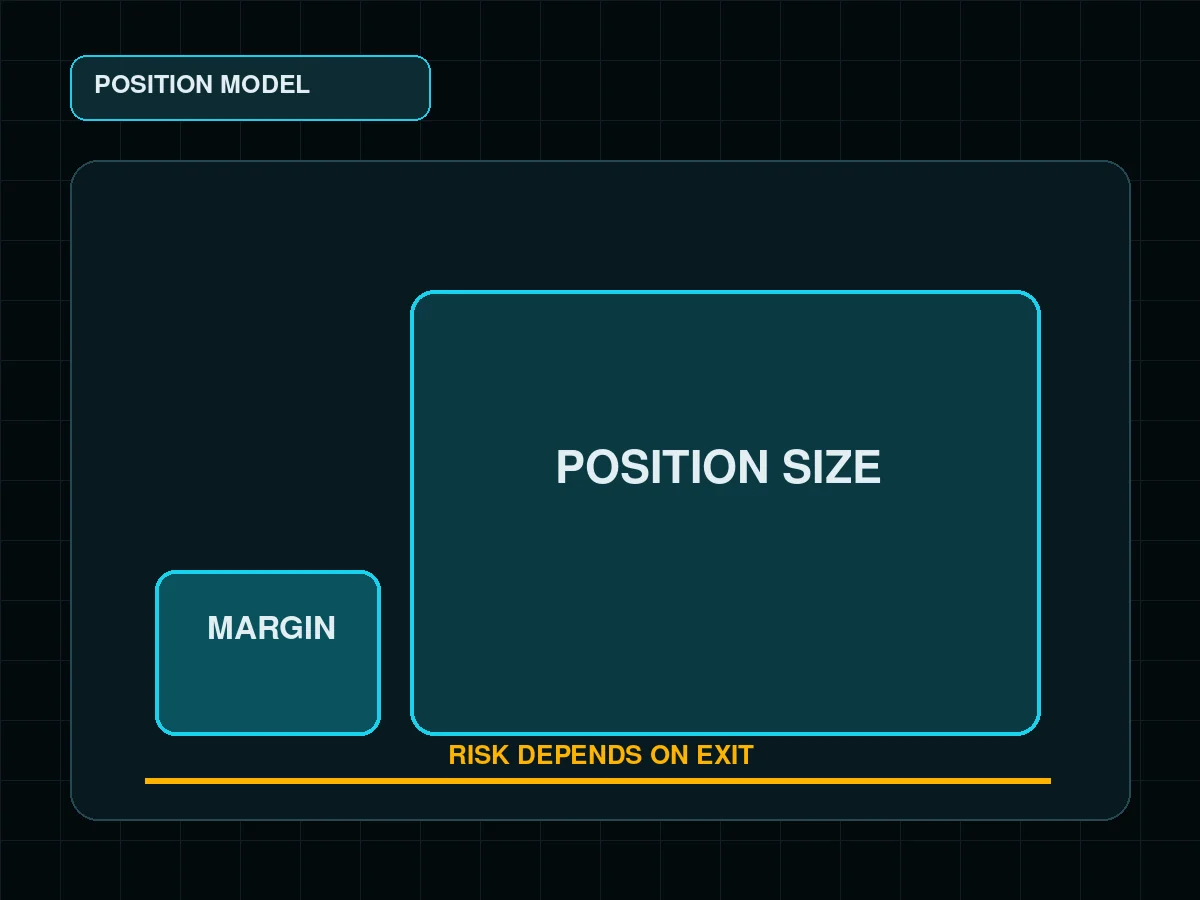 Futures and margin
Margin vs leverage: position size, equity and the loss that matters
Margin is collateral. Leverage is position size divided by equity or margin. The risk still comes from the full position and the distance to the exit.
 Futures and margin
Bid-ask spread: formula and a worked order-book example
The quoted spread is the gap between the best bid and best ask. This guide calculates it in dollars and basis points, then models a market order...
 Futures and margin
Copy trading crypto: how to check a trader before you copy
Take 1,000 traders who flip a coin on every trade. After 50 trades, about 16 of them show a win rate of 66% or better and have more than doubled...
 Futures and margin
Grid trading bot: how it works, a transparent model and failure modes
A grid bot buys and sells at preset levels inside a range. A hypothetical worked model separates completed-grid income from changing inventory value.
 Futures and margin
Funding rate arbitrage: what the carry trade really paid over 11 months
Buy the coin, short the same amount on a perpetual, collect funding while price risk cancels out. On paper the baseline rate pays 11% a year. On...
 Futures and margin
Liquidation heatmap: how to read it and what it cannot tell you
The bright bands on a liquidation heatmap are not orders anyone can see. They are estimates of where leveraged positions would be force-closed....
 Futures and margin
Long/short ratio in crypto: what it counts and how to read it
Every futures long has a short on the other side, yet the BTC long/short ratio read 2.1 on October 23. The number counts accounts, not money. Here...
 Futures and margin
Open interest in crypto: what it measures and how to read it with price
Open interest counts the futures positions still open. On ETH it fell almost 10% in dollars over a month while rising in coins. Here is what OI...
 Futures and margin
Trailing stop loss: how it works and how wide to set it, tested on BTC
A trailing stop follows the price up and stays put when it falls. We tested five trail widths on 94 BTC entries since 2019: tight trails win more...
 Futures and margin
Limit order vs market order: what each costs and how often a limit fills
A market order buys certainty, a limit order buys price. We measured both sides: what a market order costs in fees and slippage, and how often a...
 Futures and margin
How to short crypto: methods, costs and what funding paid shorts
Shorting is one button on a futures exchange. The hard part is the asymmetry: the gain stops at zero, the loss does not. Here is the method, plus...
 Futures and margin
Stop-limit order: how it works in crypto and how far to set the limit
A stop-limit gives you price control and takes away the certainty of getting out. How often fast markets skip it, how wide the gap between stop...
 Futures and margin
How to trade crypto futures: a step-by-step guide with the real costs
Opening a futures position takes a minute. Knowing what it costs, where it gets liquidated and how big it should be takes the other seven steps....
 Futures and margin
Leverage trading in crypto: how it works and how much is safe
10x turns a 5% move into half your margin. We counted how many days in the last year each level would have wiped out a BTC, ETH and SOL position,...
 Futures and margin
Funding rate: who pays whom, and how it eats a position
You opened a long, the price did not move, and a day later your balance is smaller. That was funding. What it is, how much it really costs with...
 Futures and margin
Liquidation price: how it is calculated and why it comes sooner than you think
Your exchange shows a liquidation price before you enter, but it does not stay put. Funding and the maintenance margin wear the buffer down while...
 Futures and margin
Maker vs taker fees: why one trade can cost two different prices
Two identical trades, same size, same exchange, same day, and different fees. The reason is not your tier: it is whether you added an order to the...
 Futures and margin
Isolated vs cross margin: the switch that decides what you can lose
The isolated and cross switch sits in the order window and looks like a technical detail. It actually answers one question: when the trade goes...
 Futures and margin
Perpetual futures: why they never expire and what keeps the price honest
A futures contract with no end date sounds strange: if nothing settles, what keeps the price near spot? The answer is funding, plus one property...
 Futures and margin
Slippage in crypto: where the price goes between your click and the fill
Fees show up in your report. Slippage never does: it is already inside the price you were filled at. How a market order walks the book, what it...
 Futures and margin
Futures vs spot: the real difference for a beginner
The usual answer is 'leverage'. That is the wrong answer: leverage is a consequence. The real difference is whether you own the asset or argue...
Reading the market
Dominance, sentiment and what moves crypto · 7
Reading the market
Bitcoin halving: the code rule, the subsidy math and the price myth
Bitcoin halving is a block-count rule in the protocol. The subsidy calculation is deterministic; demand, miner economics and market price are not.
Reading the market
Altcoin season index: how the calculation works and what it hides
An altcoin season index counts how many selected coins beat Bitcoin over a chosen window. The number is simple; the coin list, exclusions and...
 Reading the market
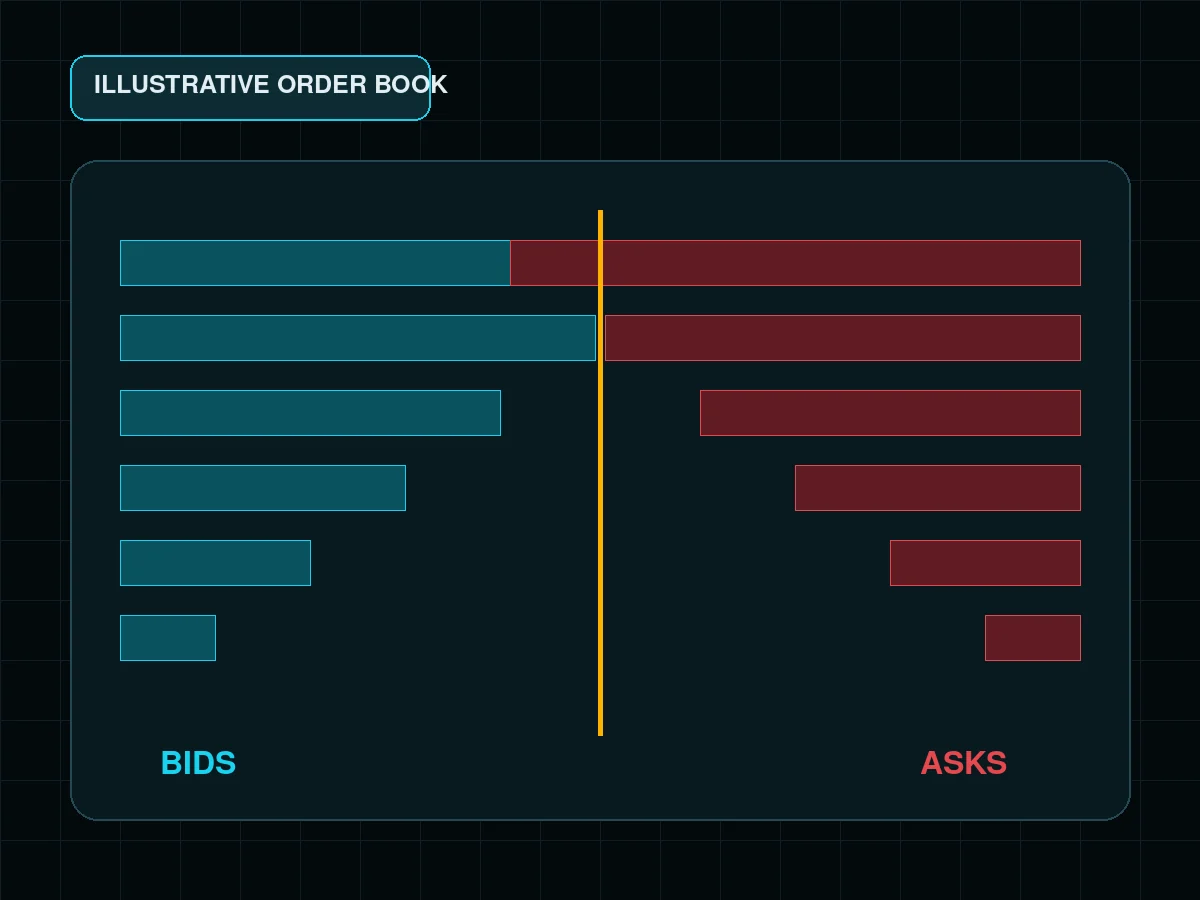
Crypto order book depth: bids, asks, slippage and partial fills
The best bid and ask show only the first layer. A worked order-book example shows why a larger market order crosses several prices and may fill...
 Reading the market
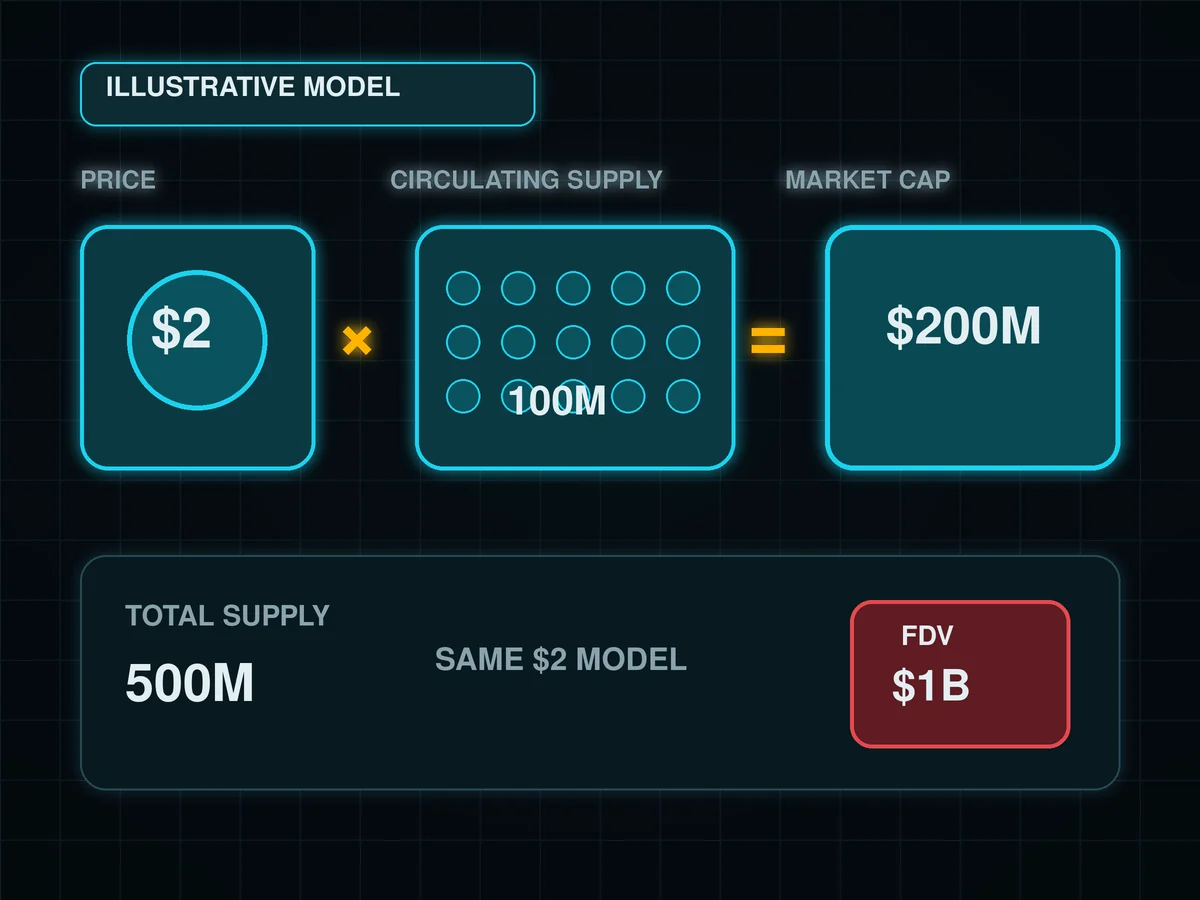
Crypto market cap: what the number means, and what it leaves out
Market cap is price multiplied by circulating supply. It ranks relative size, but it is not cash invested, liquidity, project quality or a promise...
 Reading the market
USDT dominance: what USDT.D shows and how to read it
USDT.D tells you whether money is in the game or sitting in cash. Here is what the chart measures, why it moves against Bitcoin, and the math trap...
 Reading the market
Crypto Fear and Greed Index: what it measures and what 8 years of data show
One number that measures emotion instead of price. We checked over 3,000 days of the index against Bitcoin: the usual 'buy extreme fear' advice is...
 Reading the market
Bitcoin dominance: what BTC.D tells you before you buy altcoins
One chart explains half of your feelings about altcoins. What BTC.D measures, how to read it, and why the version without stablecoins often tells...
Chart reading
Levels, trend and indicators without the mysticism · 14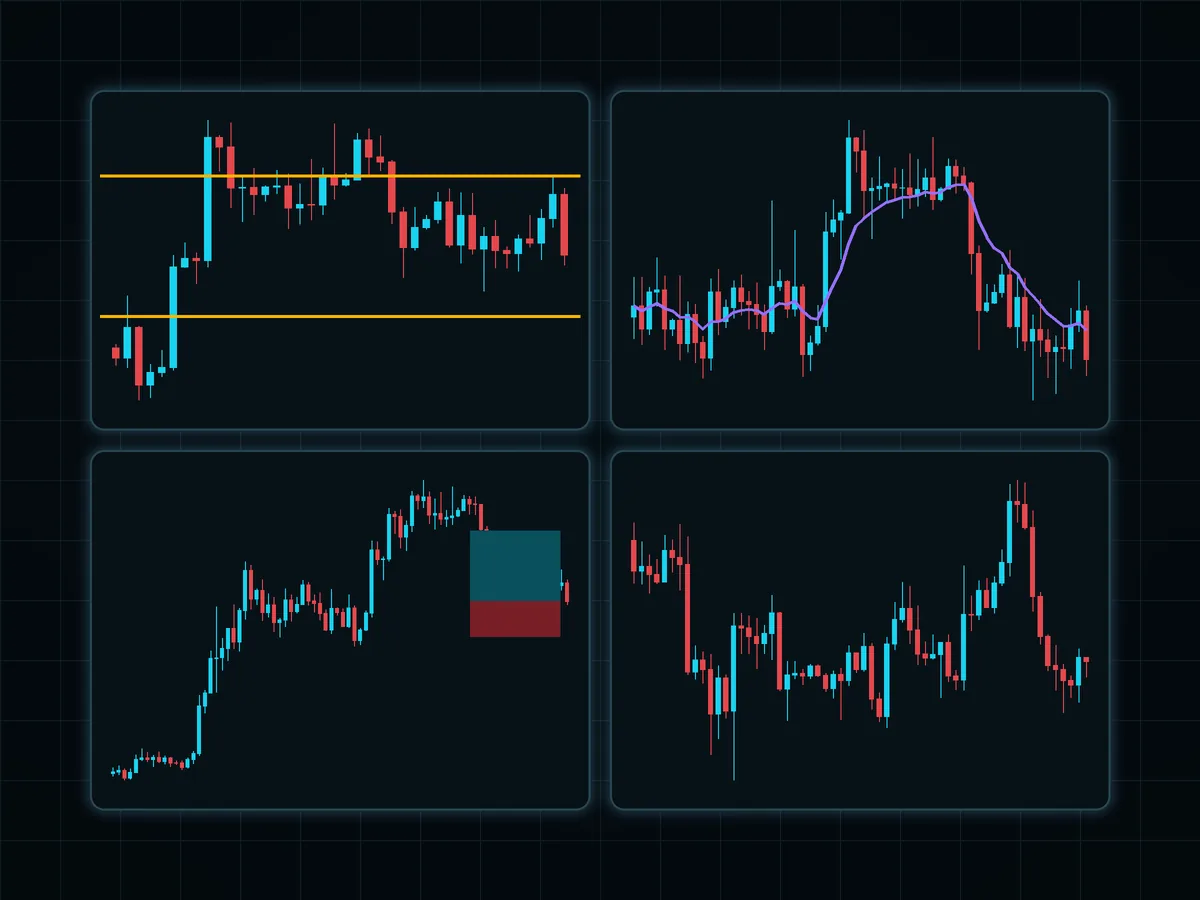 Chart reading
How to use TradingView: a clean beginner chart setup on the free plan
TradingView offers far more tools than a beginner needs. This guide builds a clean chart around price, levels, complementary indicators, alerts...
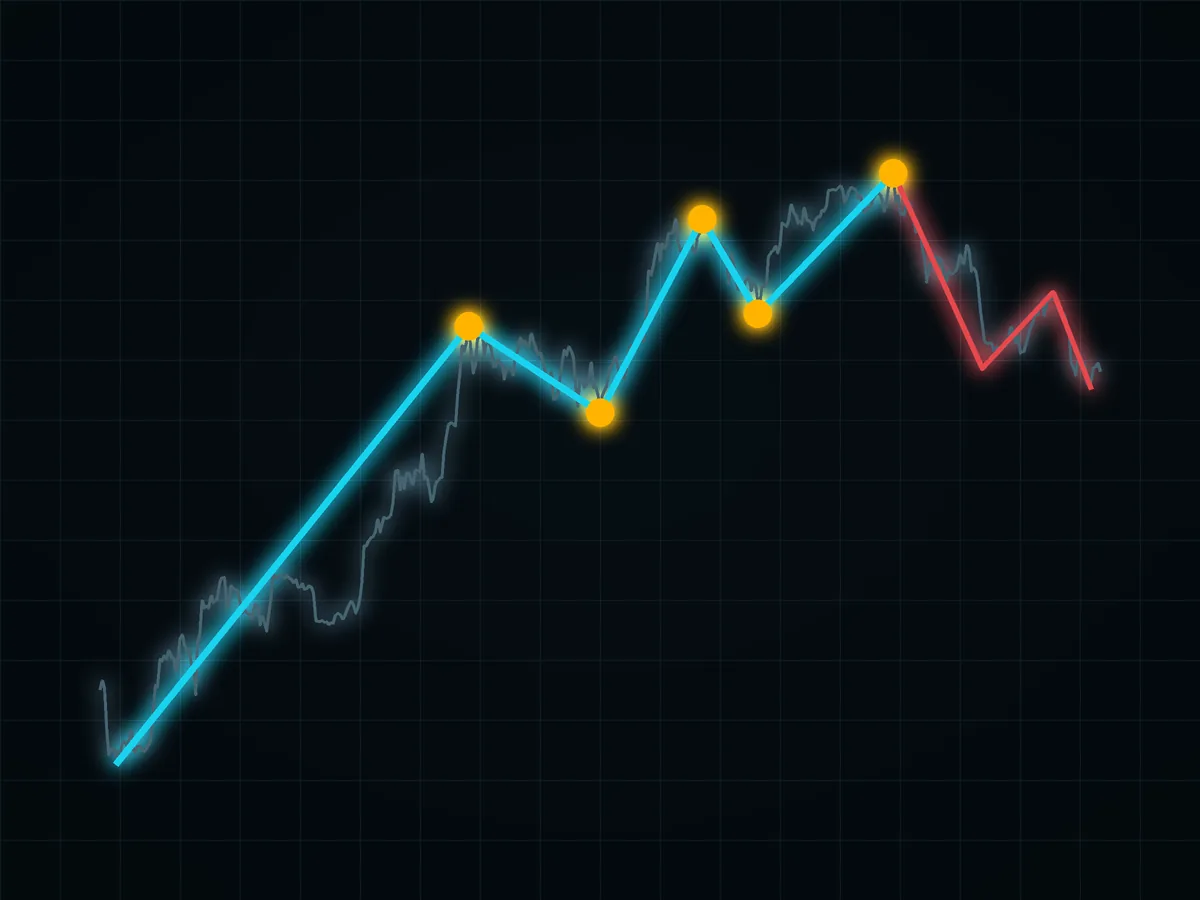 Chart reading
Elliott wave theory: rules, invalidation and why counts disagree
Elliott wave theory gives trends a wave vocabulary and each count an invalidation point. The rules can be useful even when the labels remain subjective.
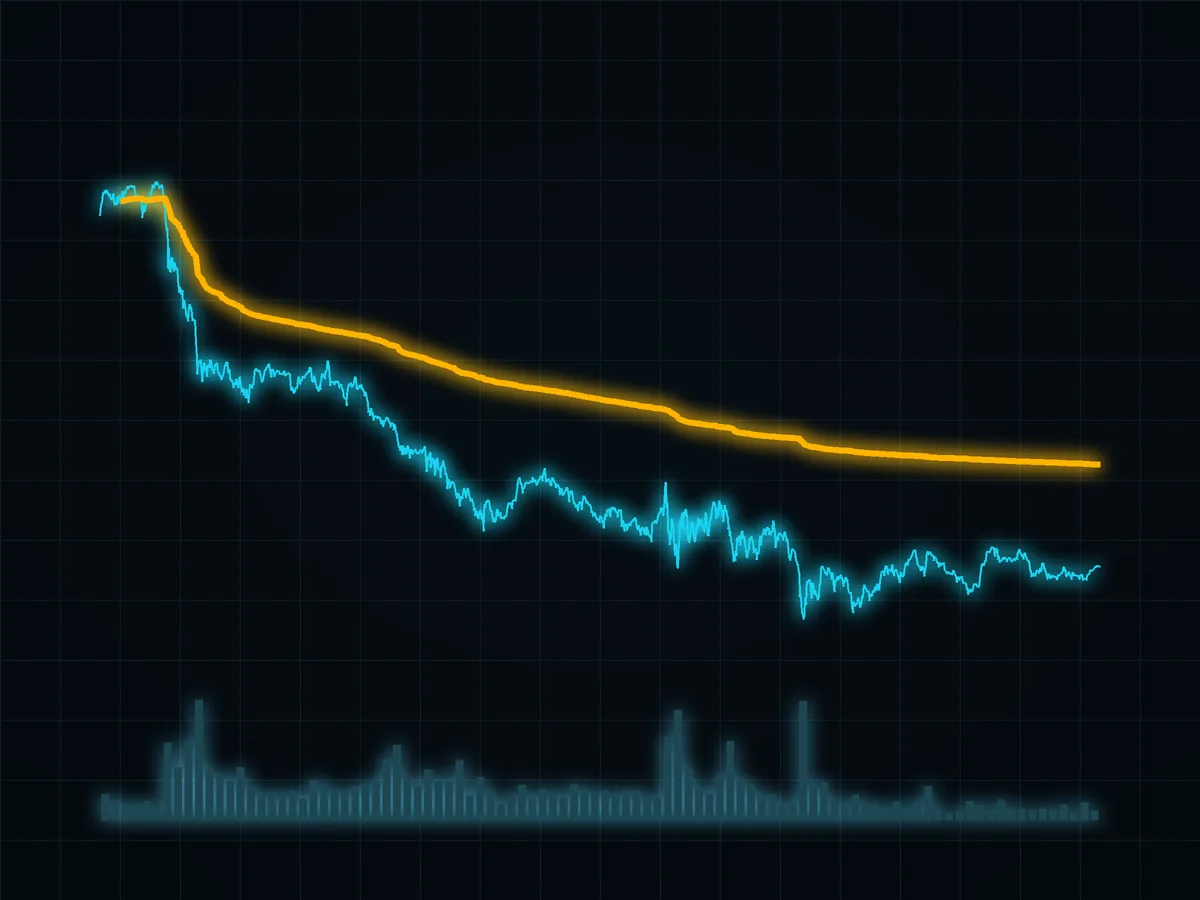 Chart reading
VWAP indicator: formula, session reset and a worked example
VWAP is an average price weighted by traded volume. This guide explains the formula, the session boundary, venue limits and a transparent worked model.
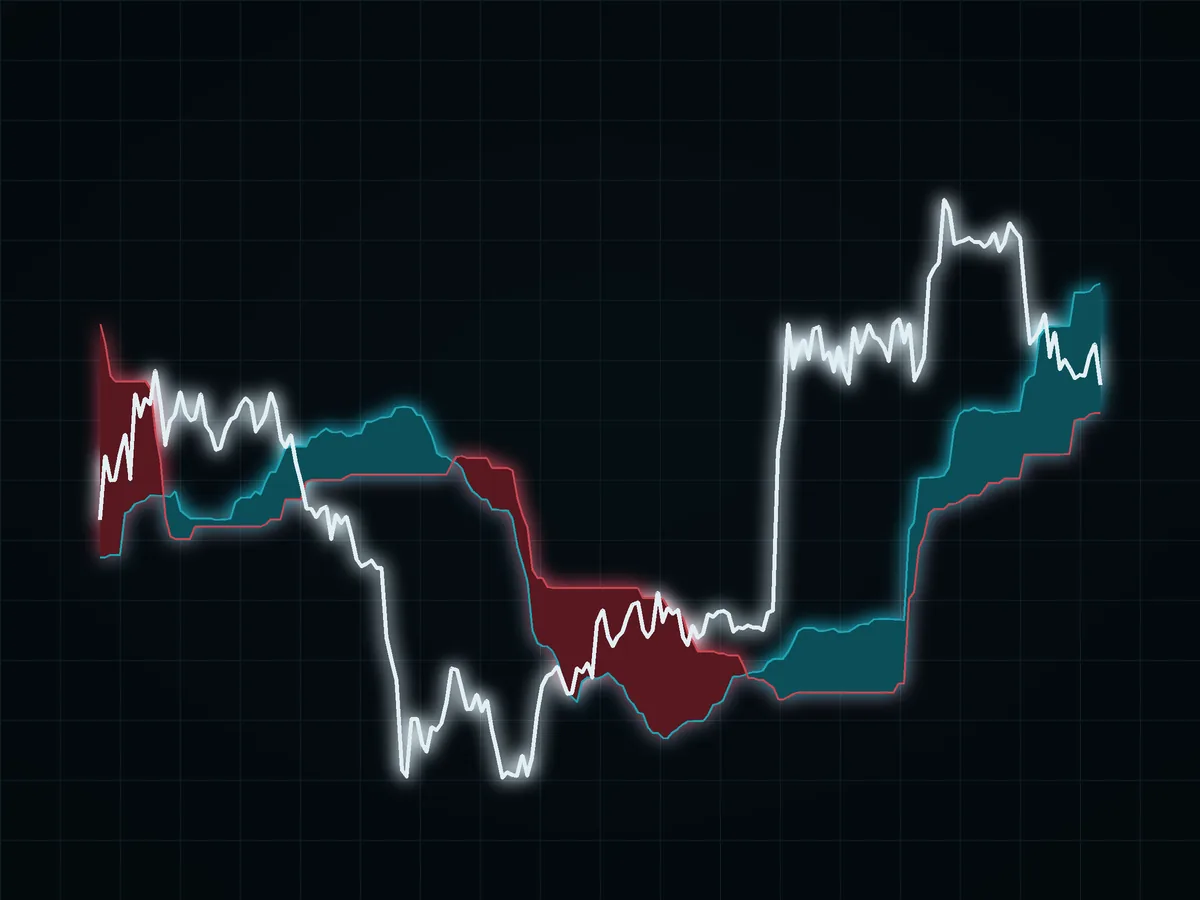 Chart reading
Ichimoku Cloud: the five lines, midpoint formula and reading order
Ichimoku combines five shifted lines into one trend map. Strip it down and the core is a midpoint of recent highs and lows, not a forecast.
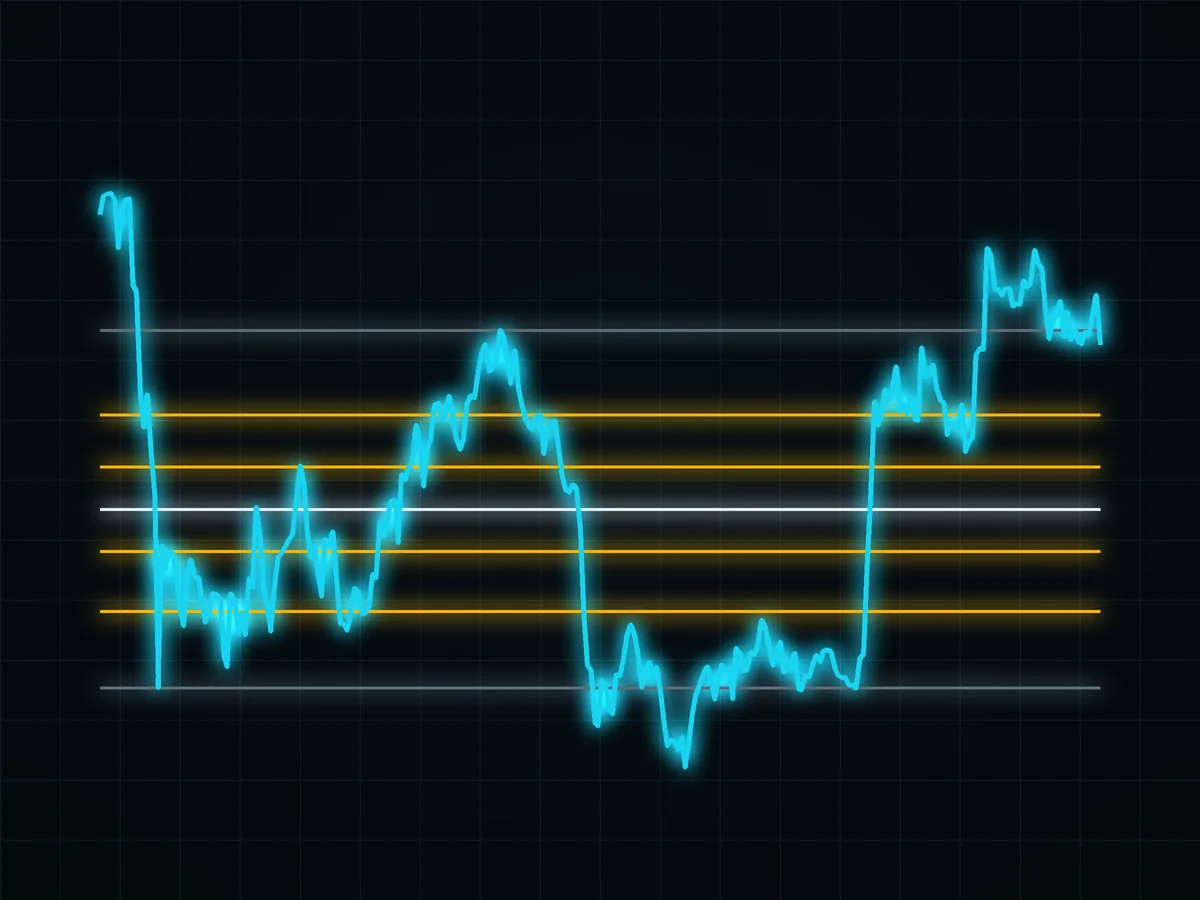 Chart reading
Fibonacci retracement: how to draw levels and plan a pullback
Fibonacci retracement turns one price swing into a set of reference levels. This guide shows the drawing direction, the arithmetic and a...
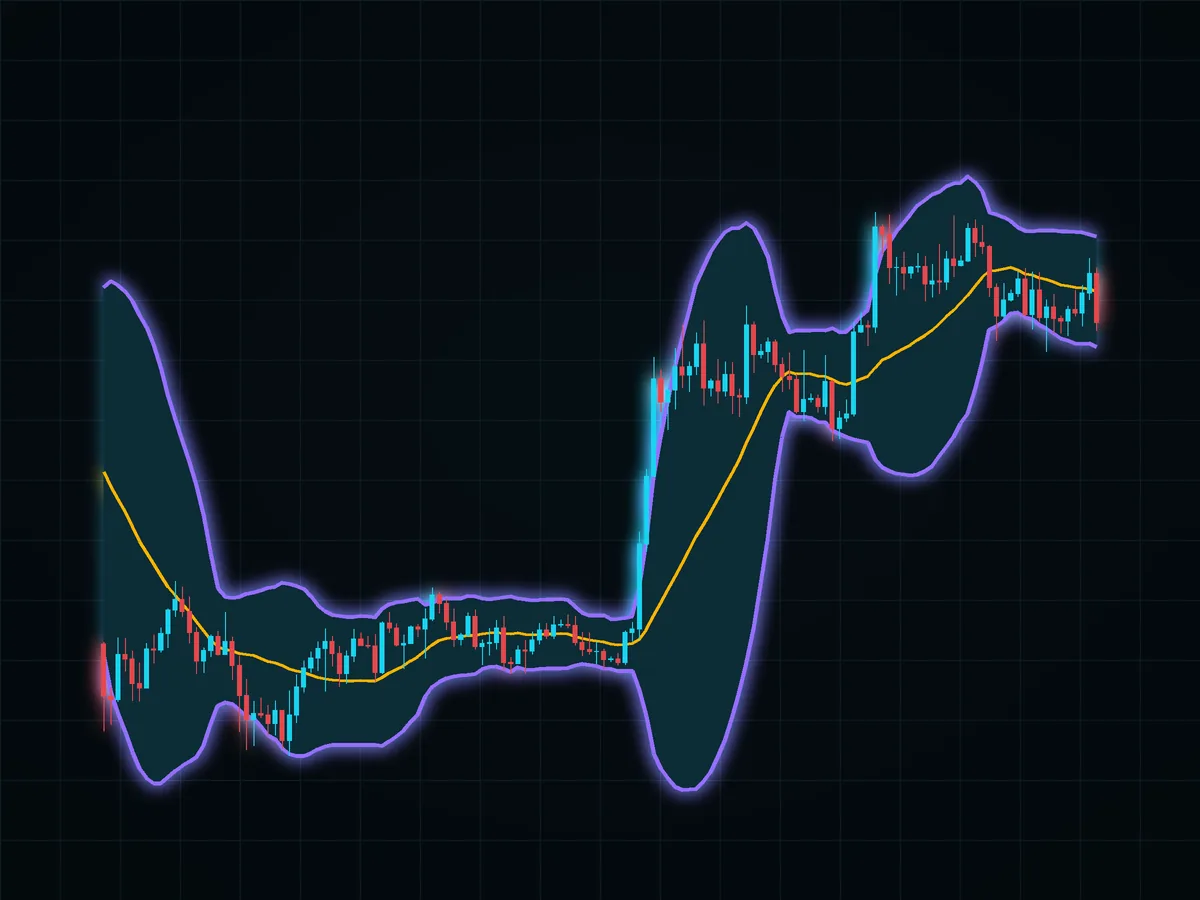 Chart reading
Bollinger Bands: formula, squeeze and a worked example
Bollinger Bands place a volatility envelope around a moving average. This guide calculates the bands and bandwidth with explicit model inputs and...
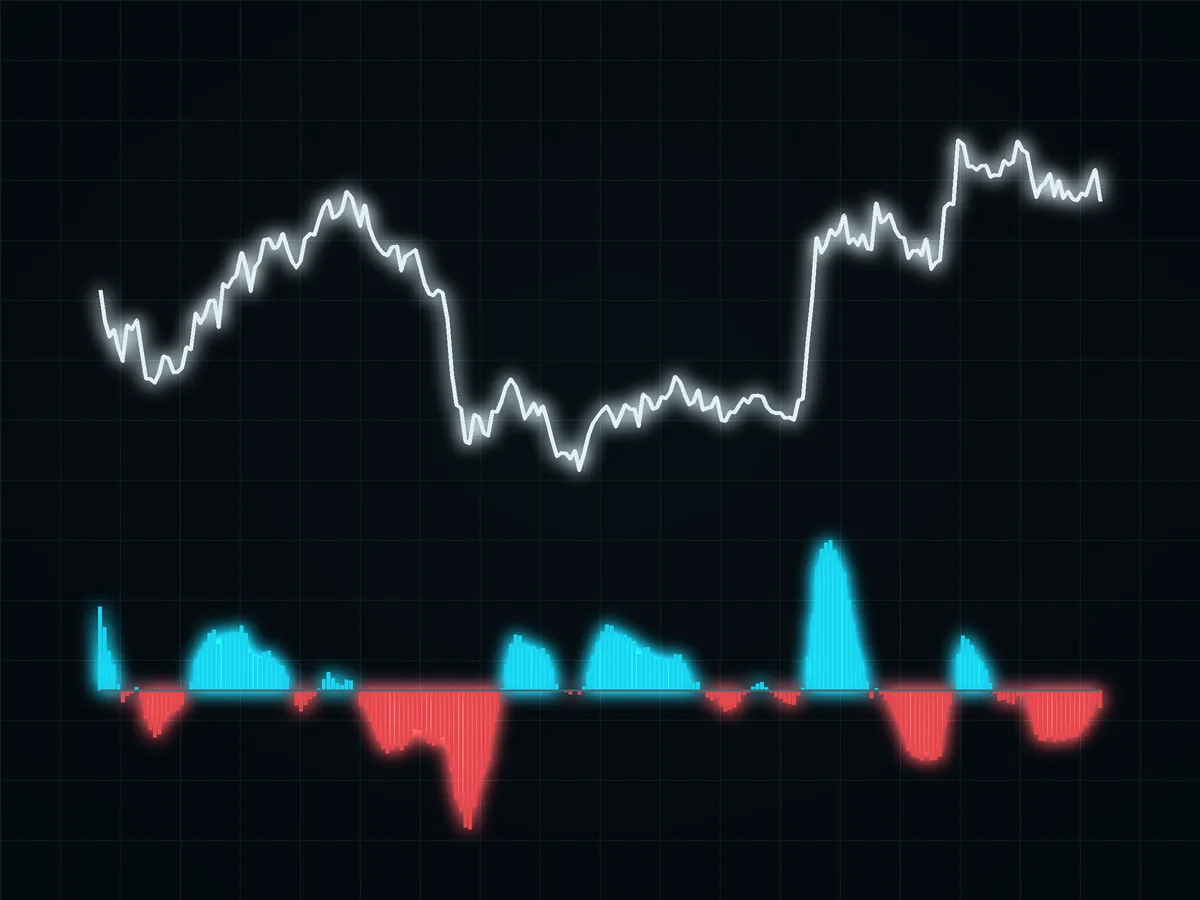 Chart reading
MACD indicator: formula, readings and a worked example
MACD compares a fast exponential moving average with a slower one. This guide separates the indicator's arithmetic from trading claims and uses an...
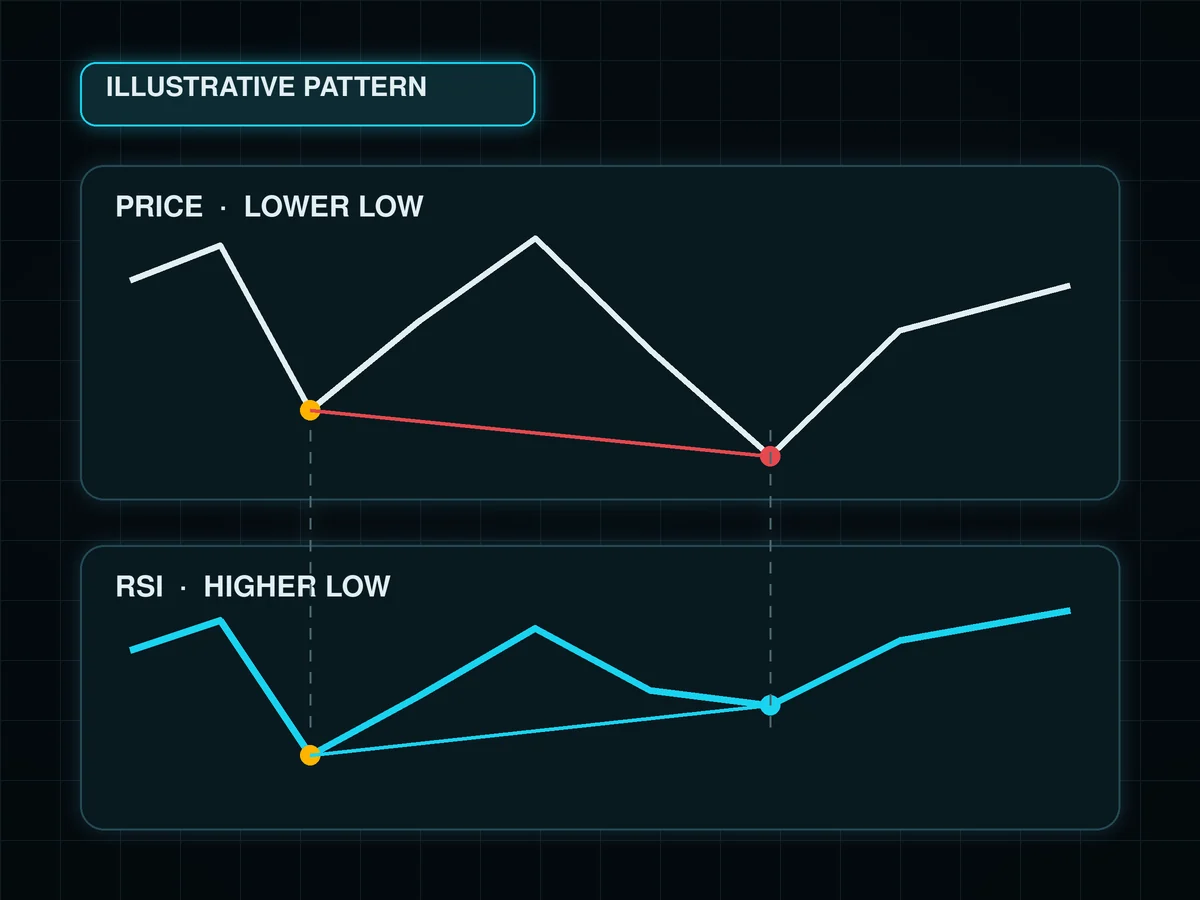 Chart reading
RSI divergence: how to spot it, confirm it, and size the trade
RSI divergence is a disagreement between price and momentum, not a reversal command. Learn the two regular patterns, wait for confirmation, and...
 Chart reading
RSI indicator explained: momentum, 70/30 and divergence
'RSI is overheated', 'bearish divergence on RSI': you hear it in every market update. What the speedometer of the market measures, and what eight...
 Chart reading
Support and resistance: how to find levels and trade them
A floor and a ceiling for price. Where the market turns again and again, how to draw those zones without fooling yourself, and how to build the...
 Chart reading
Moving averages: SMA, EMA and the 200-day line, without the magic
A moving average strips out noise and shows direction. Which type does what, why everyone watches the 200-day line, and what 17 golden and death...
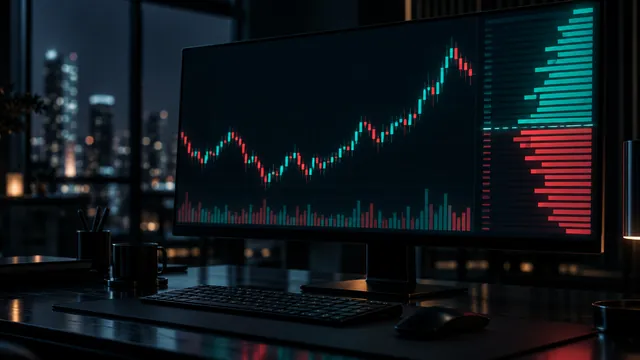 Chart reading
Volume profile: why price returns to where it already traded
Everyone draws horizontal lines. But some prices are where money actually changed hands, and you see them in volume, not in candles. How to read a...
 Chart reading
Japanese candlesticks: how to read a candle and the patterns that matter
One candle tells the story of a fight between buyers and sellers. How to read the body and the wicks, the three patterns a beginner actually...
 Chart reading
Uptrend and downtrend: how to identify the trend and why not to fight it
The most common way beginners lose money is trading against the trend: buying because it looks cheap, then watching it get cheaper. How to read...
Risk and discipline
Position size, stops and keeping losses small · 10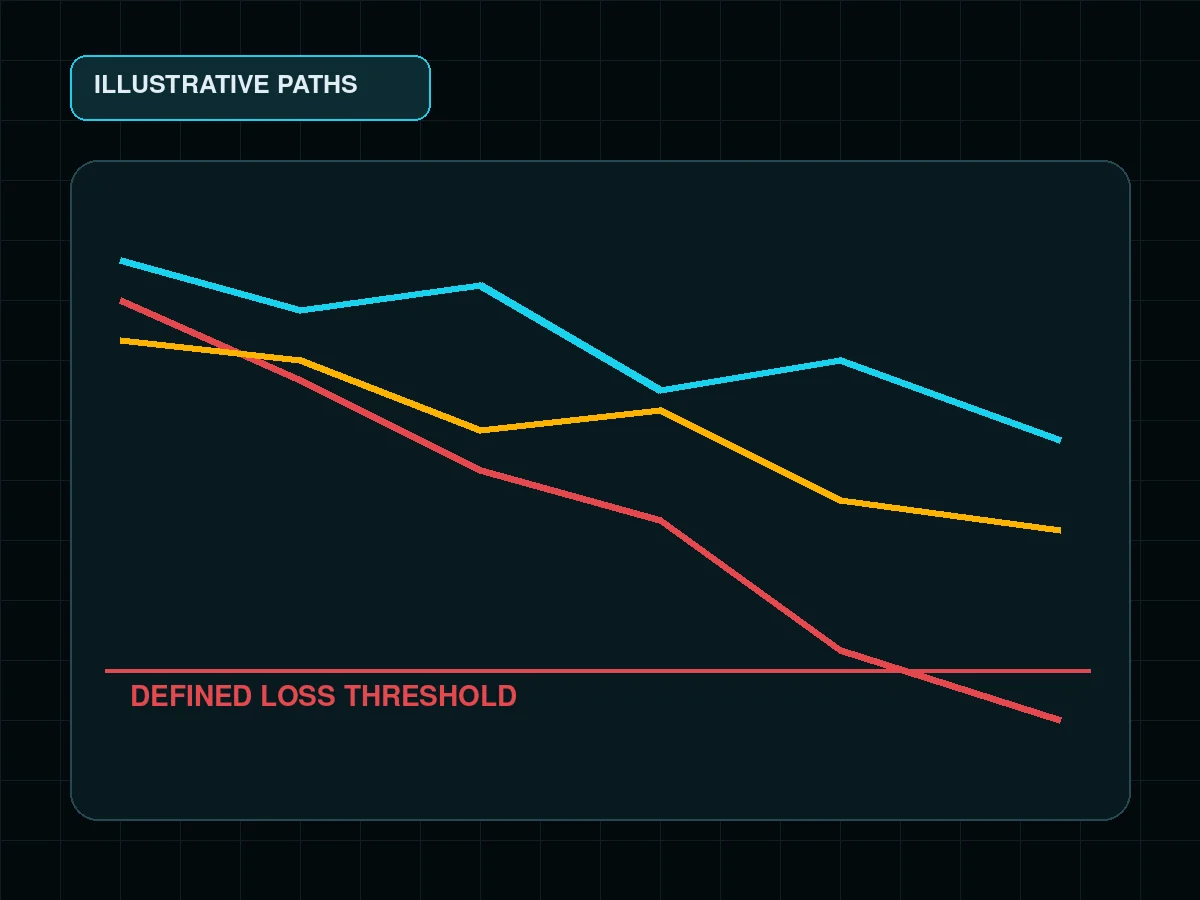 Risk and discipline
Risk of ruin calculator: loss limits, losing streaks and model limits
Ruin is not one universal number. A transparent calculator starts with the ruin threshold, risk per trade and an assumed payoff distribution, then...
 Risk and discipline
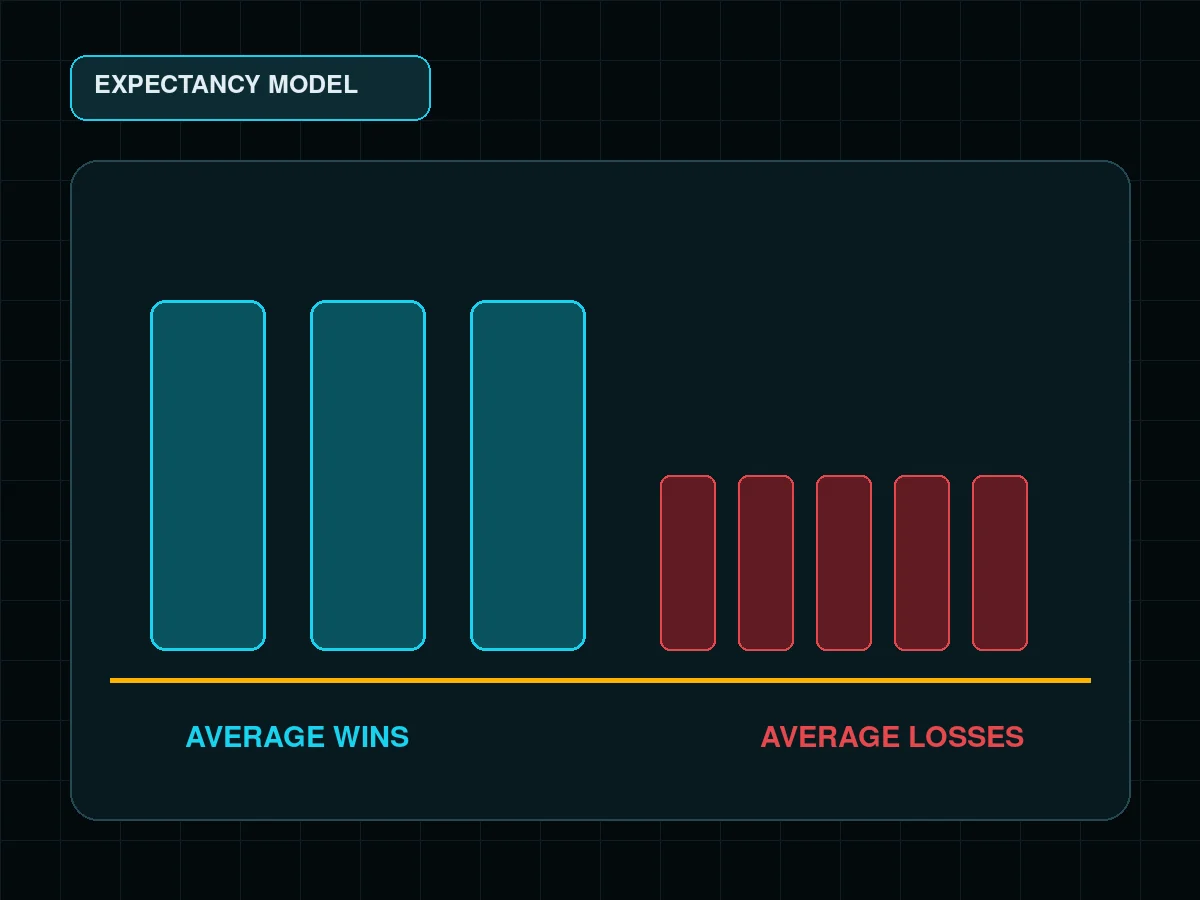
Break-even win rate: the trading formula after fees and slippage
A 1:2 reward-to-risk plan breaks even near 33.3% only before costs. Use realized average wins and losses to find the rate your actual process needs.
 Risk and discipline
Compound interest calculator: the formula, monthly deposits and inflation
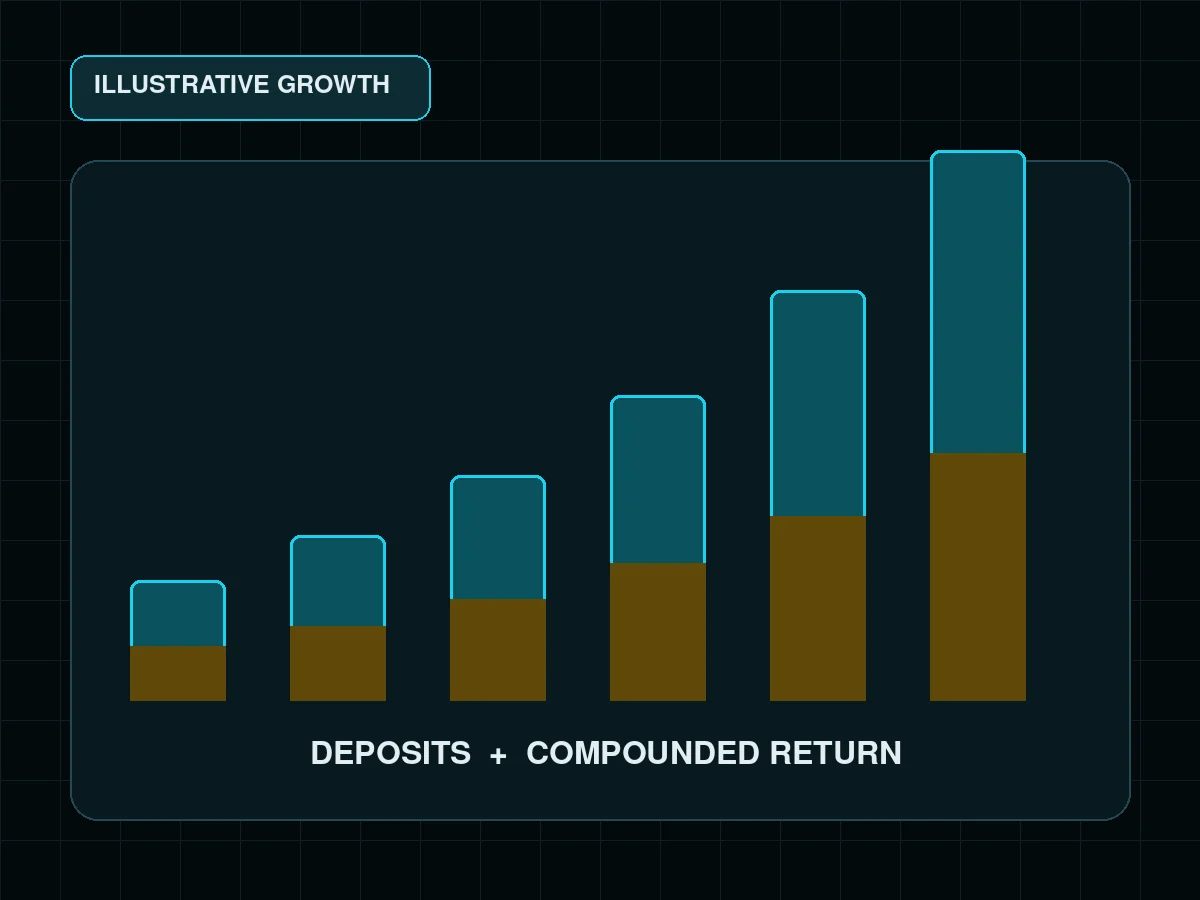
Compounding earns a return on earlier returns. This guide reproduces a calculator with a transparent formula, monthly deposits and an...
 Risk and discipline
Dollar-cost averaging calculator: shares, average price and a fair comparison
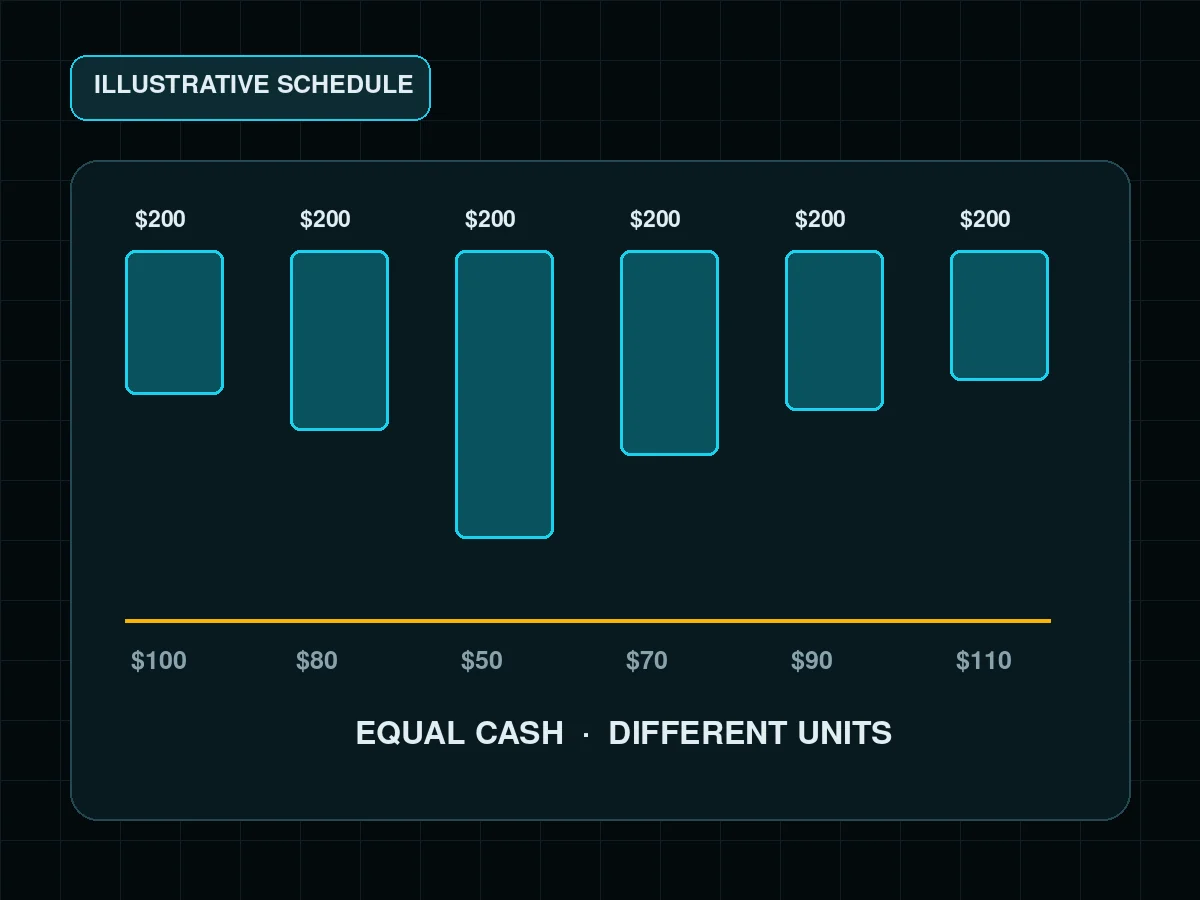
Equal cash contributions buy more units when price is low and fewer when it is high. A worked six-month example shows the units, average cost and...
 Risk and discipline
Risk reward ratio: formula, break-even rate and worked model
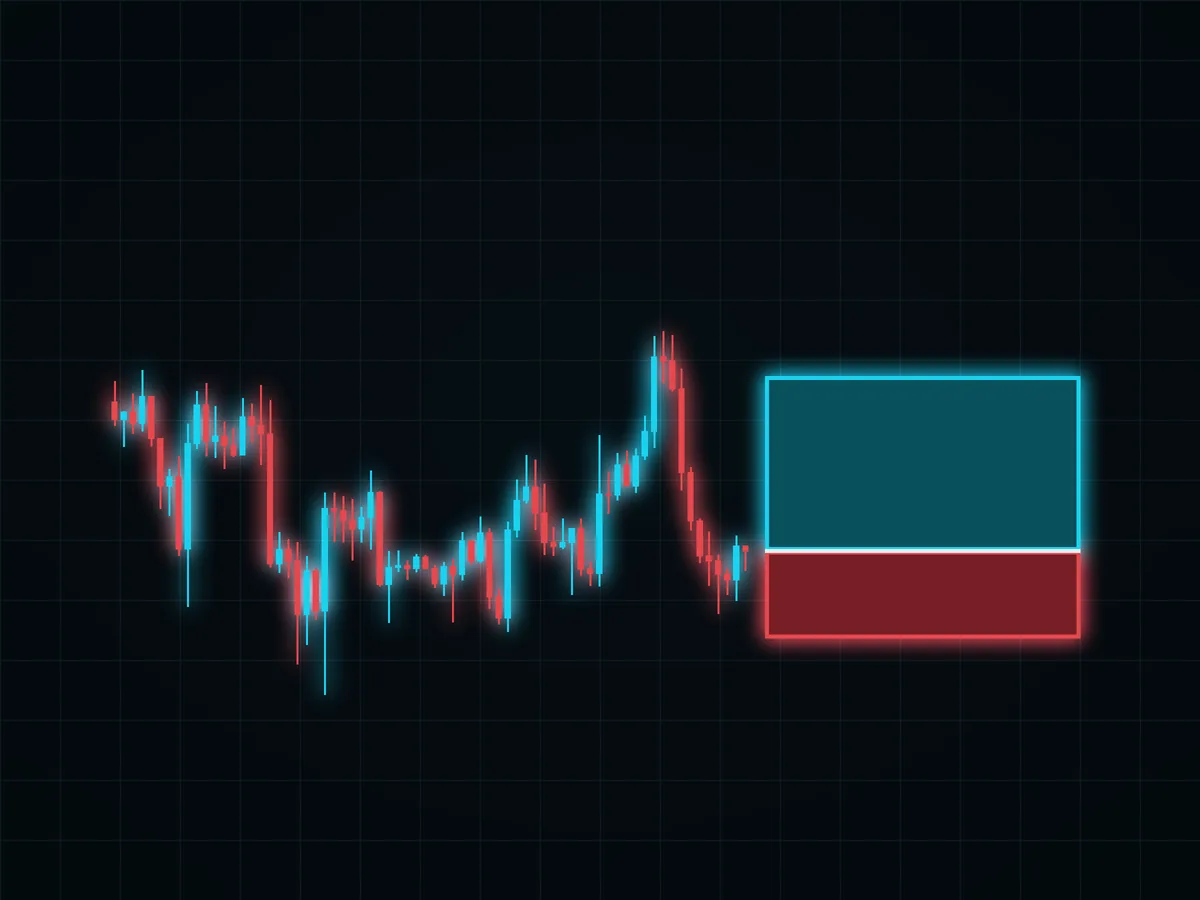
A 1:2 ratio describes the planned payoff, not the probability of success. This guide connects the ratio to break-even win rate, costs and...
 Risk and discipline
Take profit and stop loss: placement, payoff and execution limits
A reward-to-risk ratio is a planning input, not an edge. A transparent model shows how payoff, win rate and costs interact before execution risk.
 Risk and discipline
Position size calculator for crypto: formula, margin and costs
Position size starts with the loss you can accept and the distance to the stop. This guide adds modeled fees, quantity steps and borrowed exposure...
 Risk and discipline
Risk per trade: why 1-2% and where the rule comes from
Never risk more than 1-2% per trade sounds like timid advice. It is arithmetic, and harsher than it looks: losses and recoveries are not...
 Risk and discipline
Where to place a stop-loss: behind the level, the structure or the volatility
A stop goes where your idea stops working, not where the loss feels tolerable. Three ways to find that place, real volatility numbers for Bitcoin...
 Risk and discipline
Trading journal: the honest mirror of your trading
Memory lies: we remember the wins and forget the mistakes. A journal brings back honesty and turns random trades into a system. What to record,...
Wallets and security
Keeping coins and accounts safe · 4
Wallets and security
Seed phrase: how it works, how to store it, and the maths behind 12 words
A seed phrase is the portable backup for a self-custody wallet. This guide explains the BIP39 structure, the checksum, safe storage, recovery...
 Wallets and security
Hot vs cold wallet: how to store crypto without losing it
A wallet does not hold coins, it holds keys. What hot and cold wallets are, where each one fails, and the two-wallet setup that keeps a single...
 Wallets and security
SIM swap attack: why an SMS code does not protect your crypto
An SMS code looks like a second factor, but it can be bypassed without hacking anything: the attacker gets your number moved to their SIM and...
 Wallets and security
CEX vs DEX: which kind of exchange to trade on
You bought a coin, but where does it actually sit and who really owns it? It depends on the kind of exchange. Centralized and decentralized...